Smarter urban development

Researching, sharing and promoting urban development that is visionary, viable and popular

For over 40 years we’ve championed a smarter model of urban development grounded in social equity, resource efficiency, and a natural balance. Drawing on Nicholas Falk’s and URBED associates’ work, we focus on practical strategies that make better use of a city’s existing assets —strengthening transport, supporting sustainable growth, and empowering communities.
We believe thriving cities are built through decisive leadership and genuine collaboration across public, private, and civic sectors.

Our aim is simple: protect natural assets, enable innovation, and put in place the policies that create vibrant, inclusive places where everyone can prosper.

Get the latest from
the URBED Trust by email

Sign up here to receive an email notification of new posts from this site

We don’t spam! Read our privacy policy for more info.

Explore our work

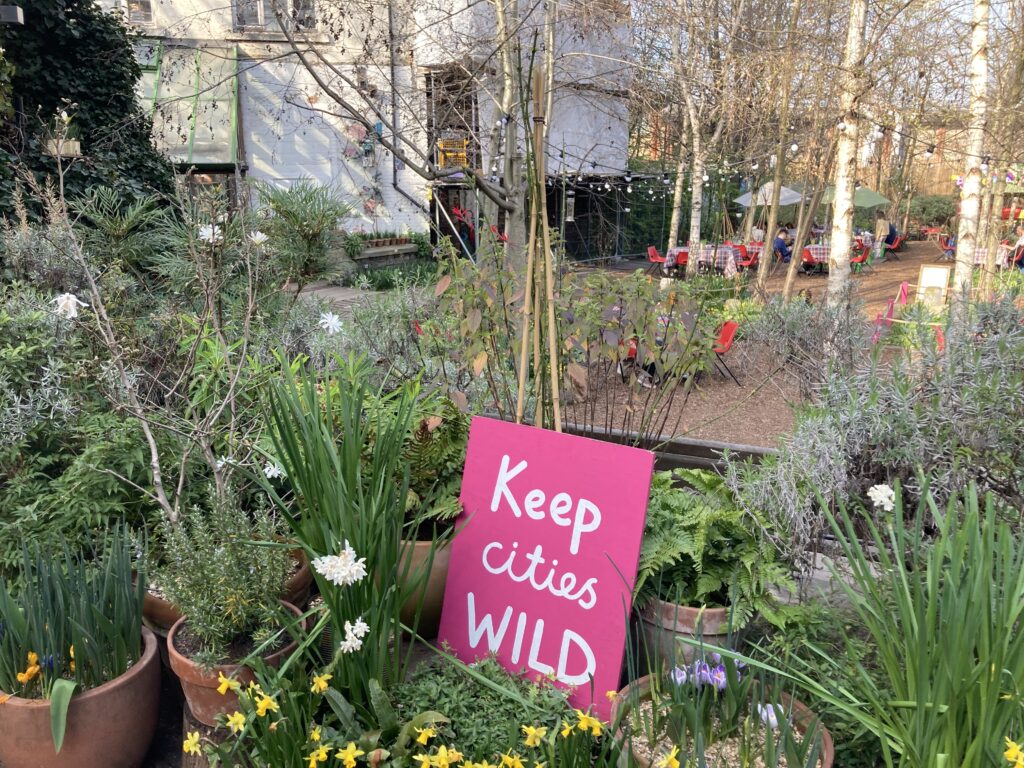
Community Garden in East London

What is the URBED Trust?

The URBED Trust is a not for profit company with charitable aims set up to promote research into the future of urban areas, and to disseminate best practice.

The trust was reconstituted after Nicholas Falk and David Rudlin won the 2014 Wolfson Economics Prize for showing how to build new Garden Cities that are visionary, viable and popular. A group of expert board members are overseeing different projects, in partnership with other public bodies.

URBED was originally founded as the Urban and Economic Development Group in London’s Covent Garden.

About the URBED Trust

Podcast microphone and person to the side

Listen to an AI summary of Building Social Cities

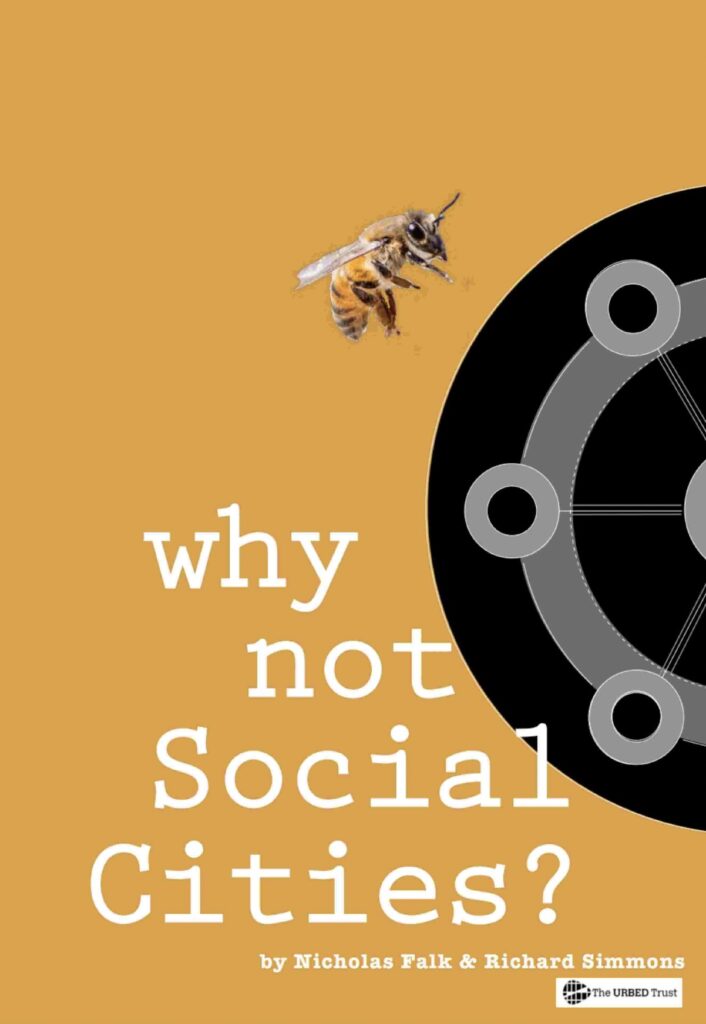
In this virtual podcast built with NotebookLM, the speakers explore Nicholas Falk and colleagues’ comprehensive strategy for revitalising British urban development by adopting successful models from continental Europe.

The UK’s housing and infrastructure crises are solvable – but only with genuinely proactive planning and the political will to fund it properly, including through state investment banks. Better local connectivity and mass transit can make cities both more productive and more liveable. Crucially, rising land values should help pay for public services rather than simply enriching landowners. The vision is essentially a modern take on the Garden City idea: compact, well-connected, greener communities built and managed by people who actually know what they’re doing.

Listen now:

Postcards from the Future

Nicholas Falk“I have seen the future and it works”, Lincoln Steffens, 1919.
Our views are shaped by what we see (and hear). In setting up URBED in 1976, I wanted to spread good practice in urban regeneration and local economic development. But despite advances in digital media, are cities getting any better at learning from each other?

I am going to experiment with a blog on what I have learned from different cities. So let’s start with a study tour to Paris last September, an initiative to transfer lessons on cycling from Copenhagen to London, a short trip to learn how Leipzig has revived its economy, and an event to consider Oxford Futures.

Tircoed houses

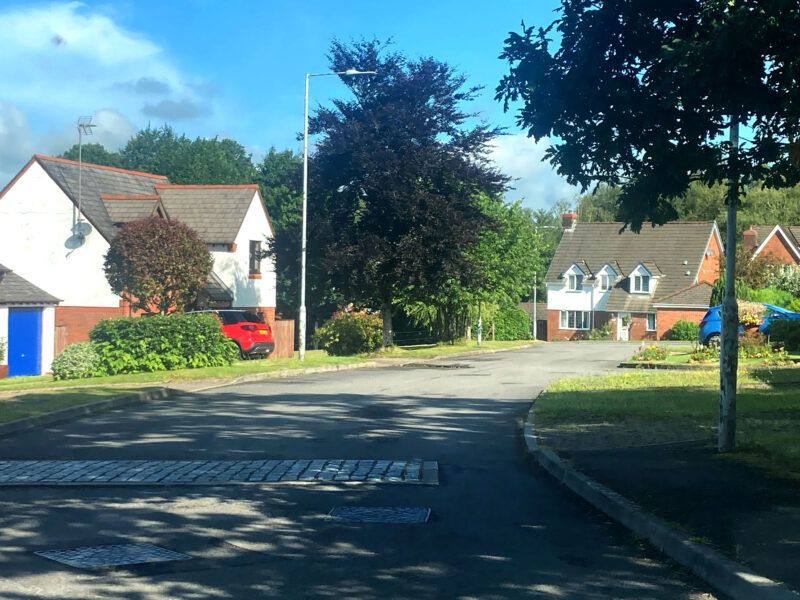
POSTCARD FROM SWANSEA AND TIRCOED FOREST VILLAGE: Building new settlements and sustainable urban neighbourhoods

Revisiting Tircoed Forest Village, just outside Swansea, reminded me how powerful the “urban village” idea can be when done well. Homes are woven into the landscape rather than imposed upon it. The layout prioritises walking, sociability and stewardship, with a Village Trust set up to manage shared spaces. Decades later, Tircoed still feels vibrant and desirable - a testament to long-term thinking.
Utrecht

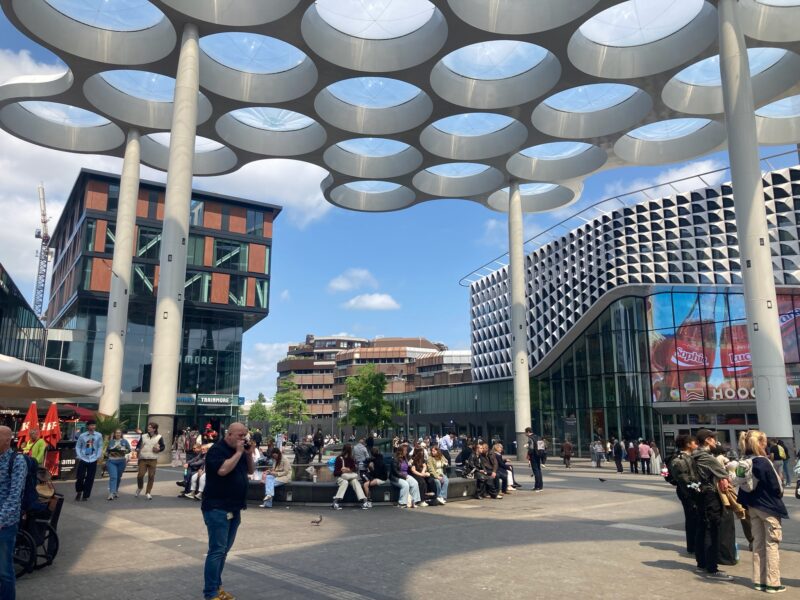
POSTCARD FROM UTRECHT: Healthier living and the AoU Congress

Spending six days in the Netherlands to attend the Academy of Urbanism Congress in the Dutch city of Utrecht in June brought home the huge benefits from sustained  public investment in creating connected cities and healthy neighbourhoods. With such a relaxed way of life in a Northern European city, many of the visitors to the AoU Congress must have wondered whether Dutch cities offered a replicable model for the UK.
1